Sustainable landscapes can benefit both homeowners and their HOAs
For many gardeners seeking to incorporate natives into their landscapes, consideration for what to plant may go beyond sun vs. shade conditions, soil makeup and water availability to include what’s allowed by their homeowners’ association (HOA).
While Minnesota law requires cities to allow managed natural landscapes on privately owned land it doesn’t expressly resolve how its requirements interact with private HOA covenants and landscaping rules. Thus, as of now, HOAs are exempt.
But as native plants continue to gain popularity because of their ecological benefits and adaptation to local growing conditions, homeowners are finding allies in their bid to get HOA rules amended to embrace natives.
In fact, by educating HOA leaders on the benefits of planting natives, they may even incorporate natives into the landscaping in common areas.
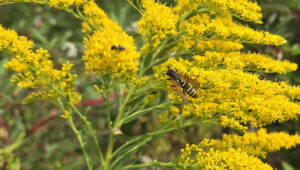
Consider this: Many native species provide food and habitat for pollinators and other wildlife while requiring less supplemental water once established, provided they are planted in suitable conditions. For HOAs, incorporating native plants alongside familiar ornamental plants and cultivars can create attractive landscapes that balance ecological benefits, reduced maintenance needs, reduced costs and resident preferences.
Examples of native plants for managed landscapes
Minnesota native plants offer a wide range of textures, colors, heights and seasonal interest. Examples that can work well in managed landscapes, when matched to appropriate site conditions, include:
- Prairie dropseed (Sporobolus heterolepis)
- Sideoats grama (Bouteloua curtipendula)
- Little bluestem (Schizachyrium scoparium)
- Prairie smoke (Geum triflorum)
- Wild columbine (Aquilegia canadensis)
- Butterfly milkweed (Asclepias tuberosa)
- Purple coneflower (Echinacea angustifolia)
- Ninebark (Physocarpus opulifolius)
- American highbush cranberry (Viburnum trilobum)
These plants illustrate the variety available, from ornamental grasses and flowering perennials to shrubs that provide structure and seasonal interest. As with any landscape planting, selections should reflect available sunlight, soil moisture, drainage, and the amount of space each plant needs to mature.
Familiar ornamental plants and cultivars
Many HOA landscapes also incorporate familiar ornamental plants that have established places in landscape design. Examples include:
- Karl Foerster feather reed grass
- ‘Walker’s Low’ catmint
- Sedum cultivars
- Hostas
- Peonies
- Hydrangeas
These plants can complement native species by adding familiar forms, foliage, flowers and seasonal interest.
Don’t overlook mulch
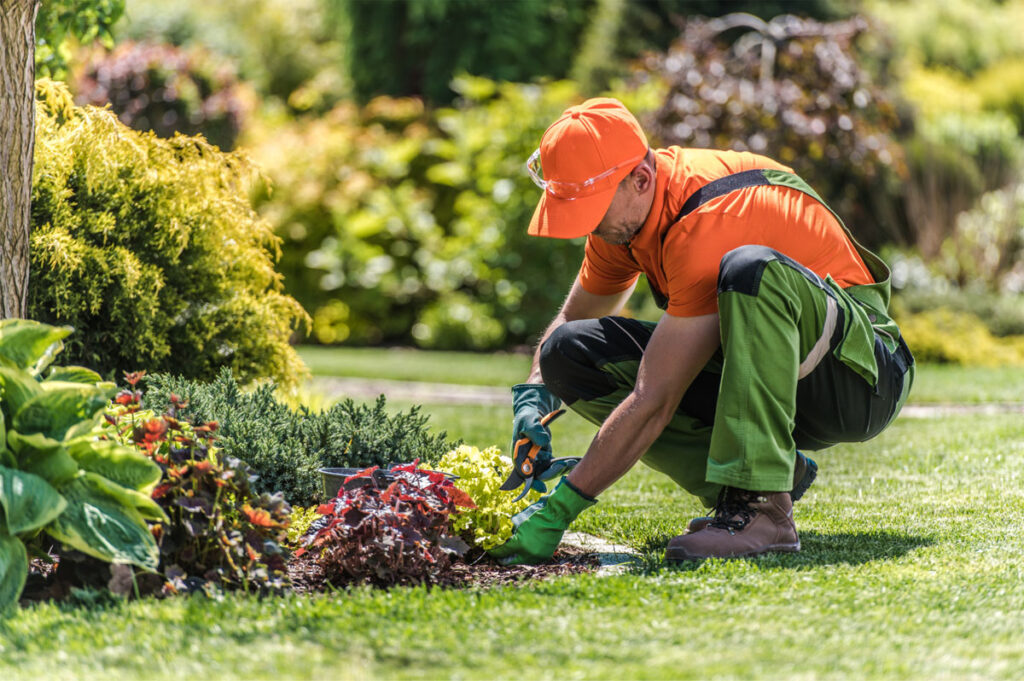
While plant selection often receives the most attention, mulch is one of the most useful tools available to landscape managers. Properly applied mulch can:
- Suppress weed growth
- Conserve soil moisture
- Moderate soil temperatures
- Reduce soil erosion
- Protect plant roots
- Add organic matter to the soil as it decomposes
Mulch can also reduce maintenance time. Fewer weeds may mean less labor spent removing unwanted plants, while improved moisture retention can reduce the need for supplemental watering. From both horticultural and financial perspectives, mulch can be a worthwhile investment in planted beds.
Organic mulches, such as wood chips and shredded bark, are particularly useful in many landscape beds. They gradually decompose, adding organic matter and helping improve soil structure. A layer of approximately 2 to 4 inches is appropriate for many beds, although the ideal depth depends on the material and site conditions. Mulch should be kept away from plant stems and tree trunks and replenished as needed.
For many planted beds, organic mulch is a practical and cost-effective alternative to using rock or installing landscape fabric beneath mulch. Fabric may initially suppress some weeds, but weeds can establish in accumulated organic debris above it, and the fabric can become difficult to remove as it deteriorates. Organic mulch alone can provide weed suppression while allowing organic matter to return to the soil over time. In contrast, rock mulch is often promoted as low maintenance, but over time it can create more work rather than less. As leaves, dust, and soil accumulate between the stones, weeds readily establish and can be difficult to remove. Rock does not improve soil health, can increase heat and water stress on plants, and may shorten the lifespan of some landscape plantings. While organic mulch needs occasional replenishment, it is often the more economical long-term choice because it supports healthy plant growth and is easier to maintain.
Grants may help offset costs
One challenge many HOA communities face is the cost of landscape improvements. Fortunately, some watershed districts and conservation organizations offer grants or cost-share programs for projects that improve water quality, manage stormwater runoff, or establish native vegetation.
For HOA communities considering landscape renovations, these programs may help offset eligible installation costs. Funding availability, eligibility requirements, matching contributions, and application deadlines vary, so associations should contact local watershed districts and conservation organizations early in the planning process.
Grant funding may also allow associations to convert portions of turf to more sustainable plantings sooner than would otherwise be possible. In addition, landscapes designed with well-adapted plants and appropriate site conditions may offer long-term savings through reduced irrigation, fewer plant replacements, and lower maintenance requirements. When evaluating a project, communities should consider both the initial installation cost and the ongoing costs of maintenance.
Community engagement matters
Even the best-designed landscapes are more likely to succeed when residents understand and support the vision behind them. Landscape committees, boards, and property managers can benefit from seeking resident input before major projects begin. Surveys, educational presentations, and informational meetings provide opportunities for feedback and help communities understand what residents value in their shared spaces.
Educational signage, newsletters, and community planting events can also help residents learn about the plants growing around them and the benefits those landscapes provide. Demonstration beds or small pilot projects can be especially useful, allowing residents and maintenance crews to see how a planting performs before a larger investment is made.
When residents feel their opinions have been considered and understand the goals of a project, they may be more willing to support landscape improvements and appreciate their long-term value.
Seek expert guidance
Before undertaking major landscape renovations, HOA communities may wish to consult landscape professionals, watershed districts, soil and water conservation districts, University of Minnesota Extension resources, Master Gardeners, and other knowledgeable experts who can help evaluate site conditions and develop a long-term plan.
These resources may also help identify funding opportunities, water-quality initiatives, and plant selections suited to local growing conditions. A well-designed planting plan should consider not only how a landscape will look at installation, but also how plants will mature, how weeds will be managed, and what ongoing care will be required.
Investing in thoughtful planning at the beginning of a project can help communities create landscapes that remain attractive, functional, and sustainable for years to come.
Looking ahead
Creating a successful HOA landscape involves more than selecting attractive plants. It requires planning for how the landscape will perform over time. By choosing plants suited to local conditions, combining native species with familiar landscape favorites, using mulch appropriately, involving residents, and exploring available funding opportunities, communities can create landscapes that support both people and the environment. The East Metro Conservation District offers a toolkit for HOA’s that has resources for them to manage stormwater, green infrastructure and other topics.
The true measure of a successful landscape is not how it looks immediately after installation, but how well it continues to thrive decades later. By prioritizing healthy soils, appropriate plant selection, and sustainable maintenance practices, HOAs can create landscapes that are attractive, easier to maintain, and more cost-effective over time.
By Kim Ury, Master Gardener volunteer