Bee lawn basics: Mixing flowers, turf grass benefits pollinators, gardeners who support them
The decline of pollinators, particularly bees, has been well documented and attributed primarily to disease, parasites, environmental degradation and habitat loss. Many gardeners have responded to the pollinator decline by adding native perennials, shrubs and trees to their landscape. While adding these native plants are a key action you can undertake to support pollinators, you can take an additional step to complement and enhance your existing or planned pollinator landscape by converting all or a portion of your turfgrass to a bee lawn. The University of Minnesota Extension provides detailed information on planting and maintaining a bee lawn. The following is an overview to help you decide if a bee lawn might right for your yard.
What is a bee lawn?
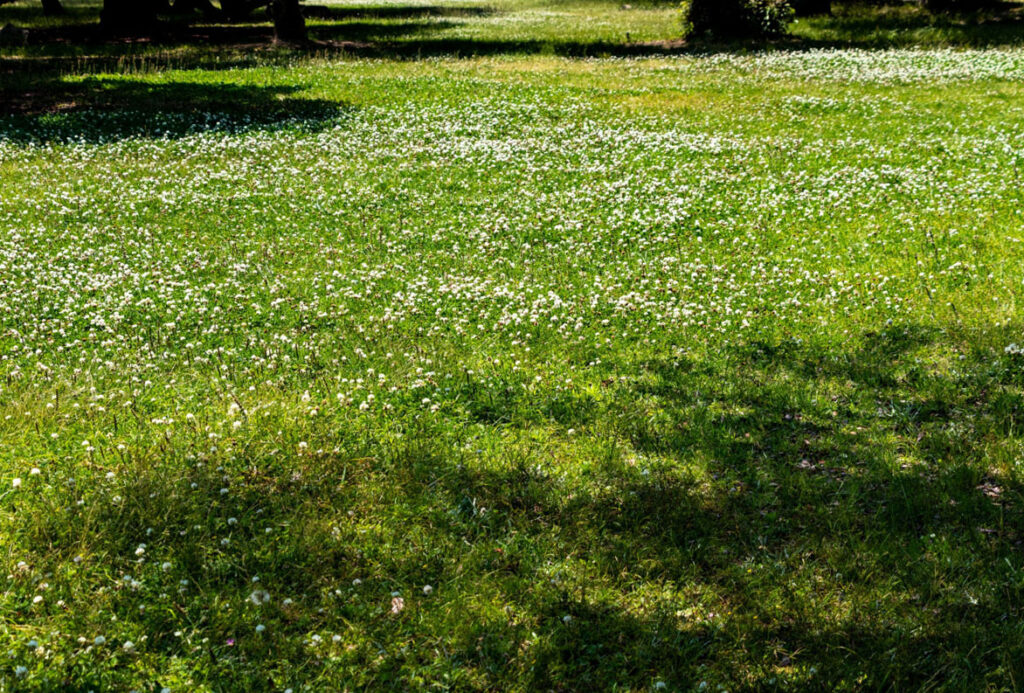
Simply put, bee lawns have flowers mixed in with turfgrasses. Turfgrasses alone provide some environmental benefits such as preventing erosion, but they provide little benefit to pollinators. By incorporating low growing, mowing-tolerant, and foot traffic-tolerant perennial flowers in your turf, it is possible to attract and provide nectar and pollen for over 50 native bee species.
The most popular flowers for bee lawns in Minnesota are Dutch white clover and self-heal. Creeping thyme has been used in the past but is no longer recommended due to seed availability and long-term observation, however, it may still be found in some pre-packaged bee lawn mixtures. Other less common Minnesota native flowers used in bee lawns include Ground Plum, Lanceleaf Tickseed, and Calico American Aster. Turfgrass seeds for bee lawns are usually a mix of fine fescues.
Establishing a bee lawn
The first step in converting turfgrass to a bee lawn is to determine a location in your yard. Committing to a bee lawn does not mean your entire lawn needs to be converted. Your bee lawn will thrive best in sun to part-sun conditions. Low traffic areas are a good location because lighter foot traffic means less disruption to foraging bees. Sloped areas are also well suited as bee lawns require less mowing. Don’t forget about your neighbors, particularly those that maintain a meticulous lawn. Sidewalks, driveways, and edging help keep a creeping bee lawn on your side of the property line.
Preparation of your existing lawn differs whether you are overseeding or renovating your lawn. The University of Minnesota Extension provides details for both.
There is no shortage of off-the-shelf pre-mixed seed blends with the proper ratios of grass and flower seed. You can also create your own custom mix using Minnesota native species.
Late fall (early November to mid-December) when the growing season is over is the best time to establish your bee lawn. Seeding during this dormant period (dormant seeding) requires the least effort. The freeze-thaw cycle helps work the seed into the ground, no fertilizer or water is required, and the seeds will germinate in early spring ahead of weed seeds.
Spring seeding after the last frost is the second-best time to establish your bee lawn. This technique will require regular watering (initially light watering 2-3 times per day to keep the ground moist and then gradually less frequently once seedlings emerge).
After you plant your bee lawn you need to be patient to see the fruits of your effort. Turfgrass, some flower foliage, and perhaps a few clover flowers will be observed during the first year. Year two should see an increase in clover and the appearance of self-heal and other flowers in your seed mix, followed by bees and pollinators.
Maintaining a bee lawn
Maintenance of your bee lawn is similar to maintaining your turfgrass, though it requires less water, fertilizer and mowing. Hand-weeding is the recommended method for keeping weeds in check. Herbicides should be avoided or, if necessary, used with great care regarding the type and application timing of the herbicide. Spot treating weeds is preferrable to broadcast applications of herbicides.
Besides serving as a source of nectar and pollen for bees and other pollinators, bee lawns require less work and inputs than turfgrass. They have the added benefit that you and your family can continue to use the lawn for recreation. Bee lawns are an excellent choice for anyone wishing to enhance their landscape for the benefit of pollinators.
By Mike Knoff, Master Gardener volunteer intern