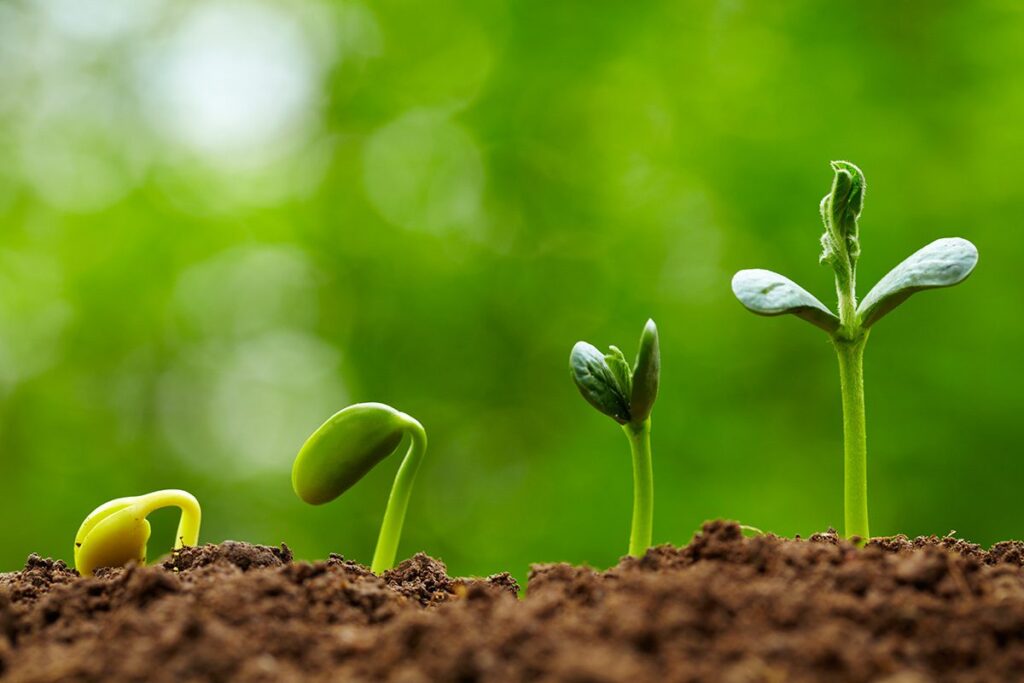
The earliest seeds to plant outside in Minnesota
By mid-February, Minnesota gardeners are eager to begin planting, but our climate rewards restraint. Some seeds can be planted outdoors very early and benefit from cold conditions, while others will fail if planted too soon. Knowing which plants tolerate cold soil and frost is essential for a successful start to the growing season.
Early planting depends on soil conditions rather than the calendar. In southern Minnesota, in some years soil may be workable in early April. In central Minnesota, mid-April is more typical. In northern Minnesota, late April or early May is often necessary.
If soil is muddy or sticks together when handled, it is too early to plant. Seeds placed in cold, saturated soil are more likely to rot than germinate.
Soil temperature is the most reliable indicator for early planting.
Cold-hardy plants germinate well once soil temperatures reach 40 to 45 degrees. Warm-season crops usually require soil temperatures of 60 degrees or higher.
Using a soil thermometer provides far more useful information than air temperature alone.
What to plant first
Several vegetables are well suited to Minnesota’s early spring conditions.
Peas germinate in cool soil and grow best before summer heat arrives.
Spinach thrives in cold weather and tolerates frost. Early planting improves leaf quality and extends the harvest.
Radishes germinate quickly in cool soil and mature rapidly.
Leaf lettuce and arugula tolerate cold soil and light frost.
Onions are very cold tolerant. Sets and seeds can be planted early and benefit from a long growing season.
Many annual flowers also tolerate cool soil and light frost.
Calendula, bachelor’s buttons, larkspur, poppies, and sweet peas all perform well when seeded early. Early planting often results in stronger plants and earlier bloom.
Native wildflowers and cold stratification
Many native wildflowers require cold stratification, a period of cold, moist conditions that breaks seed dormancy. Always check the seed packet or a reliable planting guide to confirm requirements.
Several Minnesota native plants typically benefit from about 30 days of cold stratification. These include butterfly milkweed, sky blue aster, wild columbine, blue vervain, great blue lobelia, prairie smoke and wild bergamot.
Other species require longer exposure. Prairie blazing star often benefits from about 60 days, while purple coneflower generally requires 60 to 90 days for reliable germination.
These species should be planted in late fall or midwinter so they can experience the necessary cold period. Species that need only about 30 days of cold can also be planted in very early spring as soon as the soil can be worked.
Plants that should not be planted early
Warm-season crops are not suited to early planting in Minnesota.
Beans often rot in cold soil. Corn germinates poorly when soil is cool. Cucumbers, squash, pumpkins, and melons are highly sensitive to cold soil. Tomatoes and peppers should not be planted outdoors until frost danger has passed and nighttime temperatures remain consistently above freezing.
Warm-season flowers such as zinnias, cosmos, marigolds, sunflowers and nasturtiums should also wait until late spring.
Cold-hardy seedlings can tolerate a brief dip below freezing or a light frost. Extended periods of cold, especially when combined with wet soil, increase the risk of seed rot and poor establishment.
Notes for Minnesota Gardeners
• University of Minnesota Extension emphasizes that cool-season crops can be seeded outdoors as soon as soil is workable and before the last frost.
• Warm-season crops such as beans, corn, squash, cucumbers, and melons are best planted after frost danger has passed and the soil warms, often in mid to late May in much of Minnesota.
• Soil temperature matters more than the calendar for direct seeding success. A simple soil thermometer is a useful tool.
A thoughtful approach to timing helps Minnesota gardeners make the most of early spring. By watching soil temperature and choosing cold-tolerant crops, you can start the season strong and set your garden up for success.
By Kim Ury, Master Gardener volunteer
———–
Early outdoor planting timeline for Minnesota
Late March to Early April
Soil workable in southern Minnesota; soil temps approaching 40°F or above.
Vegetables
These are all cool-season crops that can be seeded as soon as soil is workable because they tolerate cool soil and light frost.
- Peas (Pisum sativum)
- Spinach (Spinacia oleracea)
- Onion sets and onion seed (Allium cepa)
- Parsnips (Pastinaca sativa)
- Radishes (Raphanus sativus) as soil warms toward mid-April
Herbs
These herbs handle cool soil early in the season.
- Cilantro (Coriandrum sativum)
- Dill (Anethum graveolens)
Flowers and Natives
These plants benefit from early planting because they require or tolerate a period of cold before germinating.
- Native wildflowers needing long cold stratification: butterfly milkweed (Asclepias tuberosa), prairie blazing star (Liatris pycnostachya), purple coneflower (Echinacea purpurea)
- Cold-tolerant flowers: poppies (Papaver spp.)
Mid April
Typical planting window for central Minnesota when soil is gradually warming.
Vegetables
Direct seeding these cool-season vegetables when soil warms into the 40s supports good germination.
- Leaf lettuce (Lactuca sativa)
- Arugula (Eruca vesicaria)
- Mustard greens (Brassica juncea)
- Asian greens such as bok choy (Brassica rapa subsp. chinensis) and tatsoi (Brassica rapa var. rosularis)
- Turnips (Brassica rapa)
- Beets (Beta vulgaris)
Herbs
- Parsley (Petroselinum crispum)
Flowers
- Calendula (Calendula officinalis)
- Larkspur (Consolida ajacis)
- Baby blue eyes (Nemophila menziesii)
- Sweet peas (Lathyrus odoratus)
Native flowers with ~30-day stratification
- Sky blue aster (Symphyotrichum oolentangiense)
- Wild columbine (Aquilegia canadensis)
- Blue vervain (Verbena hastata)
- Great blue lobelia (Lobelia siphilitica)
- Prairie smoke (Geum triflorum)
- Wild bergamot (Monarda fistulosa)
Late April to Early May
Typical for central and northern Minnesota as soil temperatures continue upward.
Vegetables
- Swiss chard (Beta vulgaris)
- Kohlrabi (Brassica oleracea var. gongylodes)
- Broccoli raab (Brassica rapa subsp. ruvo)
- Additional successions of lettuce (Lactuca sativa) and spinach (Spinacia oleracea)
- Beets (Beta vulgaris)
Herbs
- Chives (Allium schoenoprasum)
Flowers
- Alyssum (Lobularia maritima)
- Annual phlox (Phlox drummondii)
Mid to Late May
When frost danger has passed for most of Minnesota and soil reaches 60°F or higher.
UMN Extension notes that warm-season crops need warmer soil for reliable germination and growth; waiting until soil temperatures are higher supports success.
Vegetables
- Beans (Phaseolus vulgaris)
- Corn (Zea mays)
- Cucumbers (Cucumis sativus)
- Squash (Cucurbita pepo, C. maxima)
- Pumpkins (Cucurbita pepo)
- Melons (Cucumis melo)
Herbs
- Basil (Ocimum basilicum)
Flowers
- Zinnias (Zinnia elegans)
- Marigolds (Tagetes spp.)
- Cosmos (Cosmos bipinnatus)
- Sunflowers (Helianthus annuus)
- Nasturtiums (Tropaeolum majus)